


It is no longer news. It is the tragedy Nigerians have increasingly come to live with, the disaster of “fake.” Fake drugs, fake naira notes, fake electric cables, fake kilishi, fake rice, fake toothpaste, fake vehicle parts, fake wine, fake soft drinks and the list goes on. Almost every aspect of Nigerian life appears vulnerable to adulteration or counterfeiting, leaving consumers increasingly uncertain about what they buy and consume.
On Monday, the Lagos State Consumer Protection Agency (LASCOPA) warned Lagosians about increasingly sophisticated methods of palm oil adulteration. The warning came just days after a video allegedly showing fake Capri-Sun drinks circulated online.
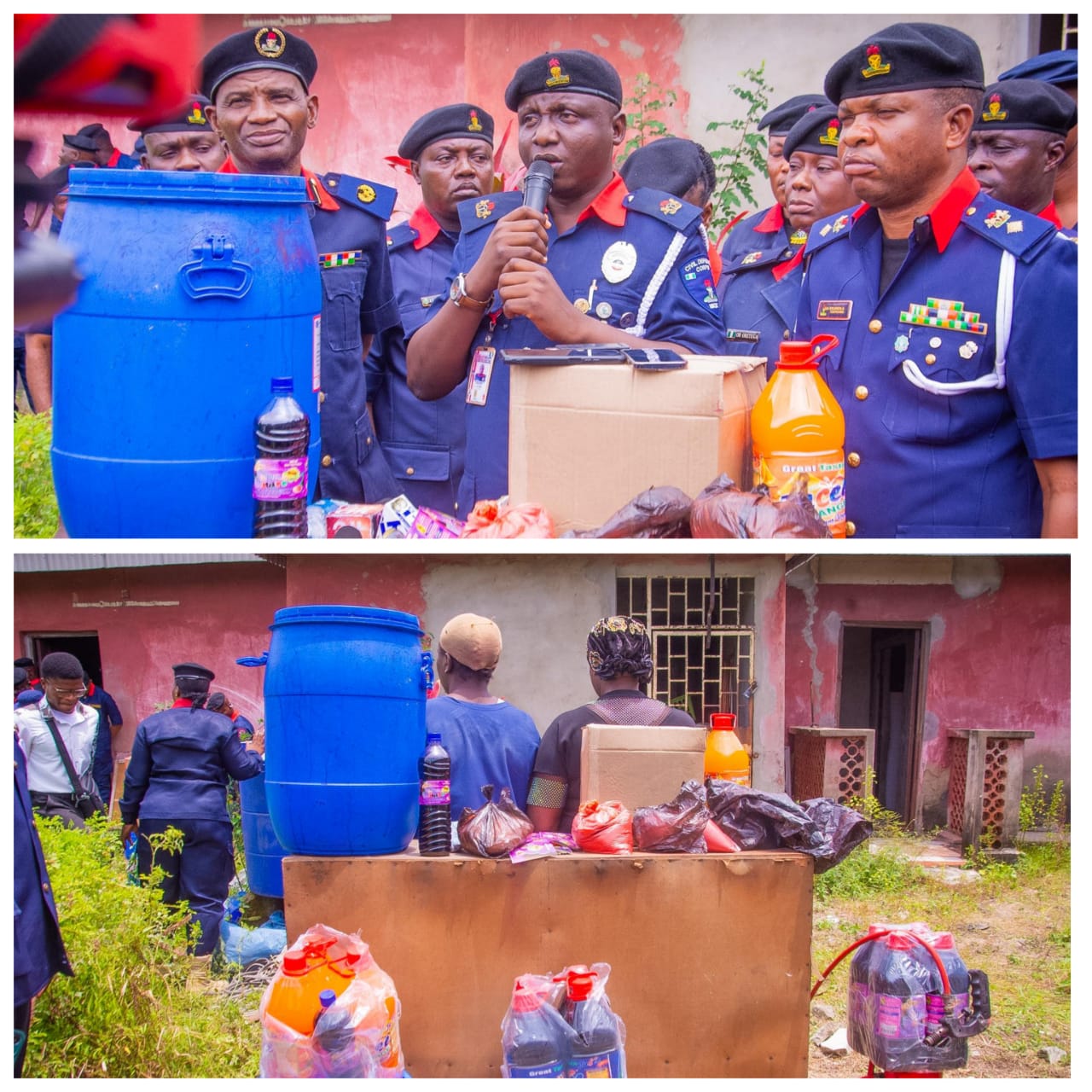
Again on Monday, the Nigeria Security and Civil Defence Corps (NSCDC) uncovered a suspected illegal factory in Badagry, Lagos, allegedly producing fake “Barkas Juice” using water, synthetic chemical flavourings, industrial sweeteners, artificial colourants and chemical preservatives, without real fruit.
The NSCDC said its operatives conducted surveillance on the premises for five days before busting the factory. According to the Corps, the products were allegedly manufactured in a highly unhygienic environment and marketed with a supposedly fake NAFDAC number, “01-2166L”. Two female suspects, aged 48 and 50, were arrested despite resistance from some youths, while operatives recovered a truck, cartons of the suspected fake fruit juice, machinery, chemicals, drums and a gas cylinder.
According to the NSCDC Public Relations Officer, SC Oluwaseun Abolurin, preliminary findings showed that the suspected fake juice contained high levels of sugar, water, colourants, dyes and other additives. The Corps also cited possible health risks associated with consumption of the suspected adulterated product, including Type 2 diabetes and liver and kidney problems. Such health claims, however, should be established by the appropriate health and regulatory authorities.
The disturbing question is: how many more of such factories are operating unnoticed across the country? It may be difficult to determine whether regulatory agencies are overwhelmed, under-resourced or facing other challenges, but one thing is clear: counterfeit and adulterated products remain a serious threat to consumers. From food and drinks to medicines, electrical materials and vehicle parts, Nigerians are constantly forced to question the authenticity and safety of products in the market.
The fight against fake products cannot be left entirely to government agencies. Consumers must also become more vigilant about what they buy, where they buy it and what they consume. Suspicious products and businesses should be reported promptly to the appropriate regulatory and security agencies. Manufacturers, traders and distributors must also understand that profit cannot come at the expense of human lives.
Nigeria cannot afford to allow “fake” to become a permanent feature of everyday life. Every seizure, factory shutdown and arrest should lead to deeper investigations, stronger enforcement and better consumer protection. More importantly, Nigerians must watch out for one another by sharing credible information and reporting suspicious activities. Heaven, they say, helps those who help themselves.
Good Morning, and have a blessed day.
Femi Moliki writes from Lagos
