


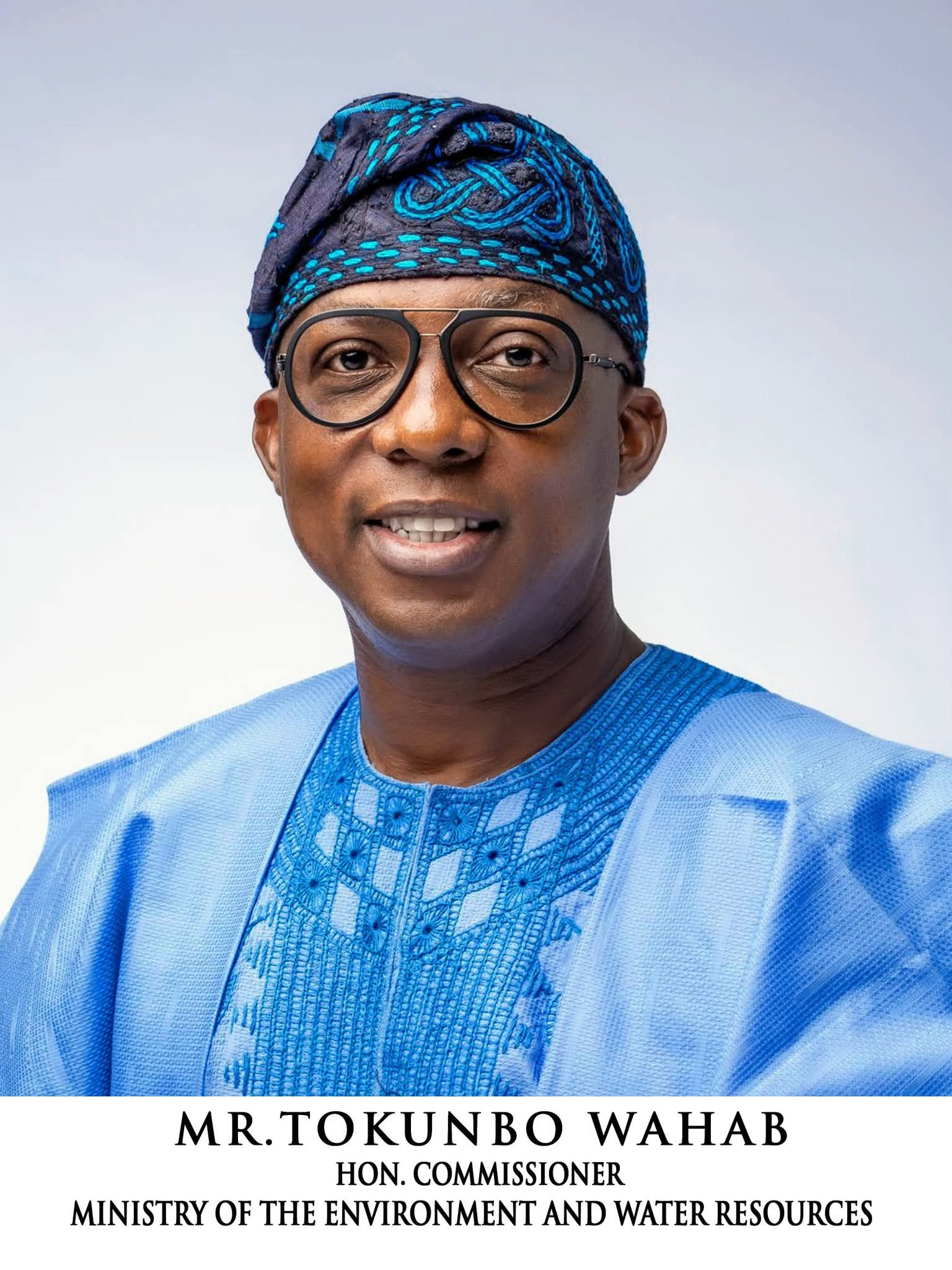
The Lagos State Government has reaffirmed its readiness to partner with investors in areas of municipal solid waste-to-energy, waste-to-wealth, and liquid waste management as part of its broader climate adaptation and resilience agenda.
The State Commissioner for the Environment and Water Resources, Mr. Tokunbo Wahab, gave the assurance while speaking as a panelist at the Harvard University Climate Action Week themed “Rising Seas, Resilient Communities, Climate Adaptation Strategies in West Africa.
”Wahab disclosed that Lagos, with its population of over 20 million generating 13,000 metric tonnes of waste daily, is adopting a sustainable approach that treats waste as a valuable resource.
“We now see waste as a resource for wealth, a resource for energy because the quantum of waste that ends in our landfill sites will become very minimal whilst we convert our waste into a better resource,” he said.
According to him, the state has already conducted two pre-feasibility studies on waste-to-energy and wastewater projects, while also signing an agreement with a Ghanaian company to process 4,000 metric tonnes of municipal waste daily into composite fertilizers, recyclable plastics, and other resources.
Successful execution of the project could pave the way for the decommissioning of the Olusosun and Solous landfills.
Kunle Adeshina, Director of Public Affairs, Lagos Ministry of Environment and Water Resources, explained further: “These initiatives underscore Lagos’ commitment to climate-friendly solutions that create opportunities for investment while safeguarding lives and property. Our policies and laws are designed to make Lagos a hub for sustainable partnerships.
”Wahab added that as a coastal city exposed to sea-level rise, flooding, and excessive heat, Lagos has invested in resilient drainage infrastructure and is strictly enforcing regulations against illegal building on floodplains, wetland reclamation without Environmental Impact Assessment (EIA), and indiscriminate waste dumping.
“We prosecute those who wilfully destroy the ecosystem. Citizens must also play their part by desisting from dumping waste into drainage channels, which is a recipe for flooding,” he warned.
The state restated its commitment to strengthening partnerships with local and international investors to transform its climate adaptation strategies into tangible solutions.
