


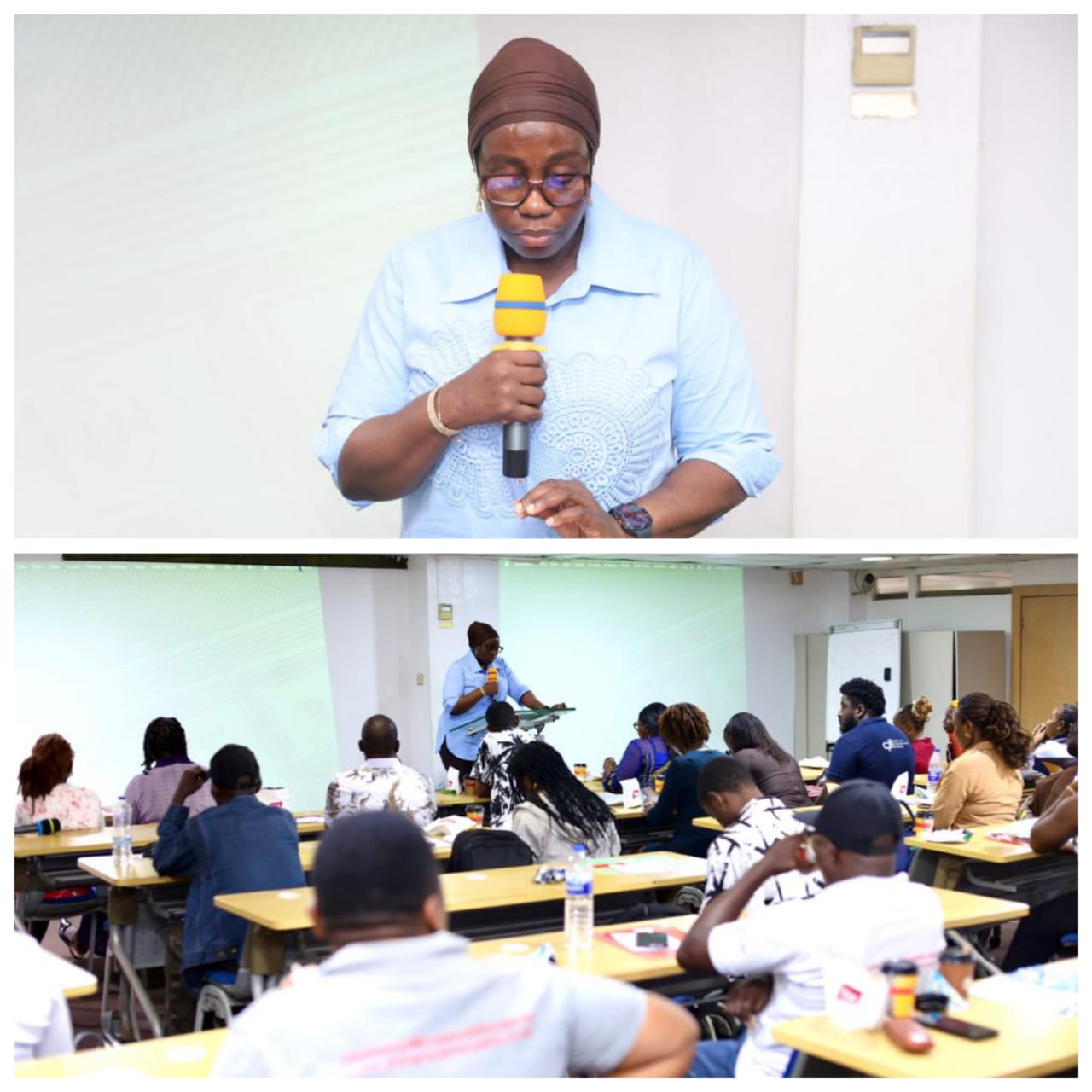
The Lagos State AIDS Control Agency (LSACA) has called for stronger legal and rights protection mechanisms for people living with HIV and survivors of gender-based violence (GBV), warning that stigma, discrimination and denial of services could undermine efforts to control HIV in the State.
The Chief Executive Officer of LSACA, Dr Folakemi Animashaun, made the call on Thursday at the conclusion of a two-day Legal and Rights Protection Training organised by the agency for GBV Focal Persons, Service Providers and Linkage Officers.
The training, held at the Lagos State Chamber of Commerce and Industry (LCCI), Lagos, was organised in collaboration with relevant stakeholders.
In a statement made available to journalists by the agency’s Director of Public Affairs, Adekunbi Bakare, Animashaun said the intersection of GBV, HIV-related stigma and discrimination required coordinated action among government institutions, law enforcement agencies, healthcare and service providers, community organisations and other stakeholders.
She noted that although the State has institutions with specific mandates to address domestic and sexual violence, LSACA also has an important role to play where GBV, stigma or discrimination intersects with HIV.
According to her, experiences of discrimination, abuse, denial of services and other rights violations could discourage people from seeking HIV testing, treatment, care and support, thereby affecting efforts to achieve better HIV outcomes.
Animashaun stressed the need for stronger linkages between health services and social protection mechanisms, urging stakeholders to familiarise themselves with available referral pathways.
She said individuals requiring legal, psychosocial, health or other support should be appropriately referred to the relevant services to ensure that they receive timely assistance.
The LSACA CEO also charged participants to improve case documentation, referral and follow-up mechanisms to ensure that affected persons receive timely and appropriate support.
A facilitator at the training, Barrister Chioma Ochibili, emphasised the importance of confidentiality when handling information disclosed by people living with HIV and survivors of GBV.
She noted that clients often share sensitive personal information with service providers and should therefore be assured that such information would be handled responsibly and in line with their rights.
Ochibili further urged institutions represented at the training to recognise their shared responsibility for protecting the rights and dignity of people living with or affected by HIV.
She also called for coordinated, appropriate and timely support for survivors of gender-based violence.
The two-day training, which commenced on Wednesday and concluded on Thursday, was aimed at enhancing the capacity of frontline stakeholders to identify rights-related concerns, understand referral mechanisms and improve access to appropriate legal, health and psychosocial support for vulnerable individuals.
