


President Bola Ahmed Tinubu has approved the establishment of a Presidential Petroleum Reform and Value Optimisation Task Force aimed at designing and sequencing the next phase of structural reforms in Nigeria’s petroleum sector.
The development was disclosed on Friday in a statement by the President’s Special Adviser on Information and Strategy, Bayo Onanuga, who said the initiative underscores the administration’s commitment to strengthening governance, improving competitiveness, and unlocking value across the country’s oil and gas industry.
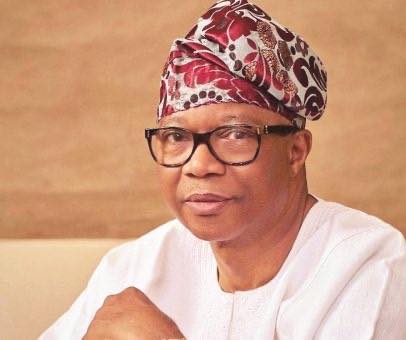
According to the statement, the Task Force will be chaired by Fola Adeola, co-founder of Guaranty Trust Bank and founder of the Fate Foundation, who will coordinate the group’s activities and ensure the timely delivery of its mandate.
Other members of the Task Force include Ademola Adeyemi-Bero, Osagie Okunbor, Abubakar Suleiman, Adaeze Aguele, Farouk Gumel, Phillipa Osakwe-Okoye, and Seyi Bella, while Mofoluwasho Fadayomi will serve as secretary.
Onanuga explained that the Task Force is a time-bound, high-level executive working group mandated to produce execution-ready reform blueprints that will consolidate ongoing reforms, unlock capital within the petroleum sector, and strengthen Nigeria’s standing as a leading global energy investment destination.
He said, “The Task Force has been established as a strategic presidential instrument to design and sequence the next phase of structural reforms in Nigeria’s petroleum sector, with a focus on delivering actionable and execution-ready policy frameworks.”
The presidential aide added that the initiative reflects President Tinubu’s broader vision of transforming the petroleum industry into a more transparent, competitive, and value-driven sector capable of supporting long-term economic growth.
“The initiative reflects President Tinubu’s commitment to transforming Nigeria’s petroleum industry into a more competitive, transparent and value-maximising sector capable of driving long-term economic growth, macroeconomic resilience and industrial development,” Onanuga said.
He noted that the Task Force would operate primarily as a technical reform body rather than a representative committee, engaging key industry stakeholders including operators, regulators, investors, and civil society groups as consultees.
According to him, “The Task Force will operate as a technical reform body focused on actionable policy design and implementation strategies, while engaging industry operators, regulators, investors and civil society as consultees.”
The Task Force will report directly to the President and is required to submit monthly progress memoranda, with an interim report expected within three months of inauguration and the final report to be delivered within six months.
Onanuga said the group is expected to deliver three major reform blueprints during its assignment.
The first, he explained, is an Implementation Toolkit for Immediate Structural Fixes, which will include draft legislative amendments, executive instruments, and proposals for institutional restructuring within the petroleum sector.
The second deliverable, he noted, is a Capital and Liquidity Acceleration Blueprint aimed at unlocking between $5 billion and $10 billion in sectoral liquidity while safeguarding Nigeria’s sovereign interests.
The third blueprint will focus on developing a National Energy Transformation Strategy, a ten-year roadmap with measurable targets for production, foreign exchange earnings, GDP contribution, and cost competitiveness.
Onanuga stated, “President Tinubu expects the Task Force to produce a comprehensive ten-year National Energy Transformation Strategy with clear and measurable targets for production growth, foreign exchange generation, GDP contribution and cost competitiveness.”
The President has also directed all Ministries, Departments and Agencies, regulators, and relevant institutions within the sector to provide full technical support to the Task Force.
“All Ministries, Departments, Agencies, regulators and relevant institutions have been directed to provide full technical support to the Task Force and submit inventories of ongoing initiatives to ensure alignment with the emerging reform framework,” Onanuga said.
He further revealed that President Tinubu had ordered all existing committees and working groups established under various petroleum sector reform initiatives to align their activities, reporting structures, and work programmes with the newly created Task Force.
According to him, the directive is aimed at eliminating duplication of responsibilities and ensuring coherence in the overall reform architecture of the petroleum sector.
“This streamlining will ensure coordination, avoid duplication of mandates and provide institutional clarity within Nigeria’s petroleum reform architecture,” the statement added.
Onanuga also disclosed that all relevant documentation, institutional knowledge, and ongoing workstreams would be made available to the Task Force to facilitate the development and implementation of its comprehensive reform framework.
He emphasised that the Task Force would automatically dissolve upon submission and acceptance of its final report by the President.
