


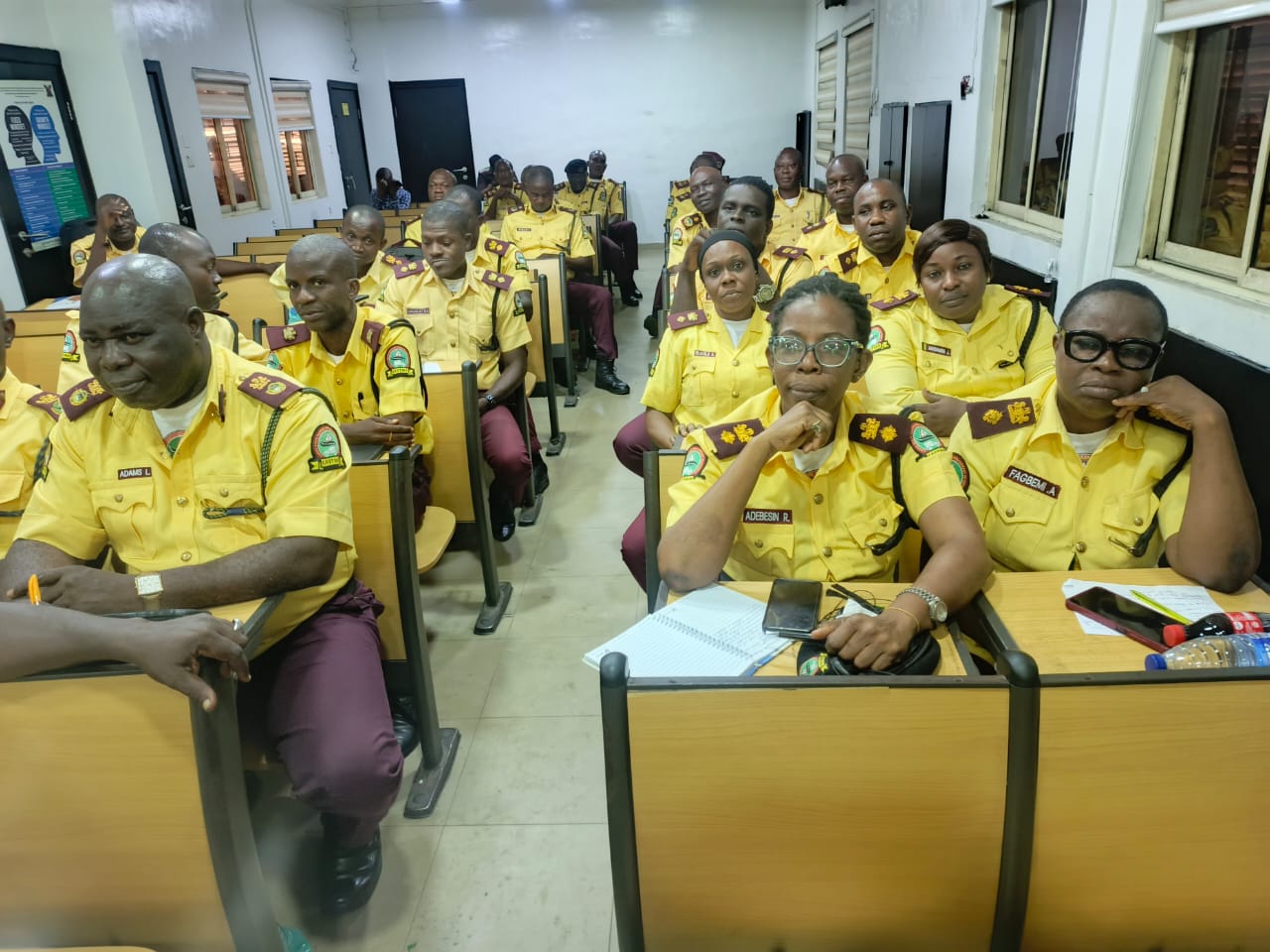
In a move to strengthen operational efficiency and professionalism, the Lagos State Traffic Management Authority (LASTMA) has launched an intensive training programme aimed at equipping senior officers with critical skills in emotional intelligence, time management, and workplace conduct.
The training, described as a strategic intervention to enhance discipline and improve service delivery, underscores the authority’s recognition of the importance of proper conduct, emotional control, and effective time utilisation in modern traffic management.
According to the General Manager of LASTMA, Mr. Olalekan Bakare-Oki, the success of the agency is closely tied to the professionalism and emotional stability of its personnel.
“The efficiency of any traffic management system is not only determined by operational tools but by the discipline, professionalism, and emotional intelligence of its officers,” he said.
Bakare-Oki emphasised that officers must go beyond traffic control to embody the highest standards of public service.
“As officers who interact daily with motorists and the general public, it is imperative that our personnel demonstrate patience, courtesy, and a high level of professionalism, even under the most challenging conditions,” he stated.
The training programme places strong emphasis on professional etiquette, including respectful interpersonal relations, adherence to established procedures, and maintaining a positive institutional image.
Speaking on the objective of the initiative, he noted: “This programme is carefully designed to instill a culture of respect, accountability, and structured workflow among our senior officers, who serve as leaders and role models within the authority.”
Participants are also being trained on emotional management, with a focus on maintaining composure and responding constructively during tense or high-pressure situations on the road.
“In a dynamic environment like Lagos, where traffic conditions can be unpredictable, the ability to manage one’s emotions is critical. Officers must remain calm, composed, and solution-driven at all times,” he added.
On time management, Bakare-Oki highlighted its relevance to productivity and effective service delivery.
“Time management is not just about punctuality; it is about prioritisation, efficiency, and the optimal use of available resources to achieve timely results in traffic operations,” he explained.
The programme also incorporates practical sessions, including real-life case studies and simulations, to expose participants to the consequences of poor conduct and ineffective time management.
“Our officers are being exposed to practical scenarios that reflect real-life challenges. This hands-on approach ensures that they can apply best practices in their daily responsibilities,” he said.
Other components of the training include cyber security awareness, specialised report writing and presentation skills, understanding human behaviour, positive threat management, and the effective use of communication radio systems.
Bakare-Oki described the initiative as a deliberate investment in human capital development, aligned with global best practices in traffic and public administration.
“This is not just a training exercise; it is a long-term investment in building a more disciplined, responsive, and professional workforce that the people of Lagos can trust,” he noted.
He added that the impact of the training is expected to extend beyond the participants, as senior officers will cascade the knowledge to their respective teams.
“As leaders, our senior officers are expected to transfer the knowledge gained here to their subordinates, ensuring that the entire organisation benefits from this initiative,” he said.
The authority expressed confidence that the programme will lead to improved coordination, enhanced public engagement, and a more efficient traffic management system across Lagos State.
