


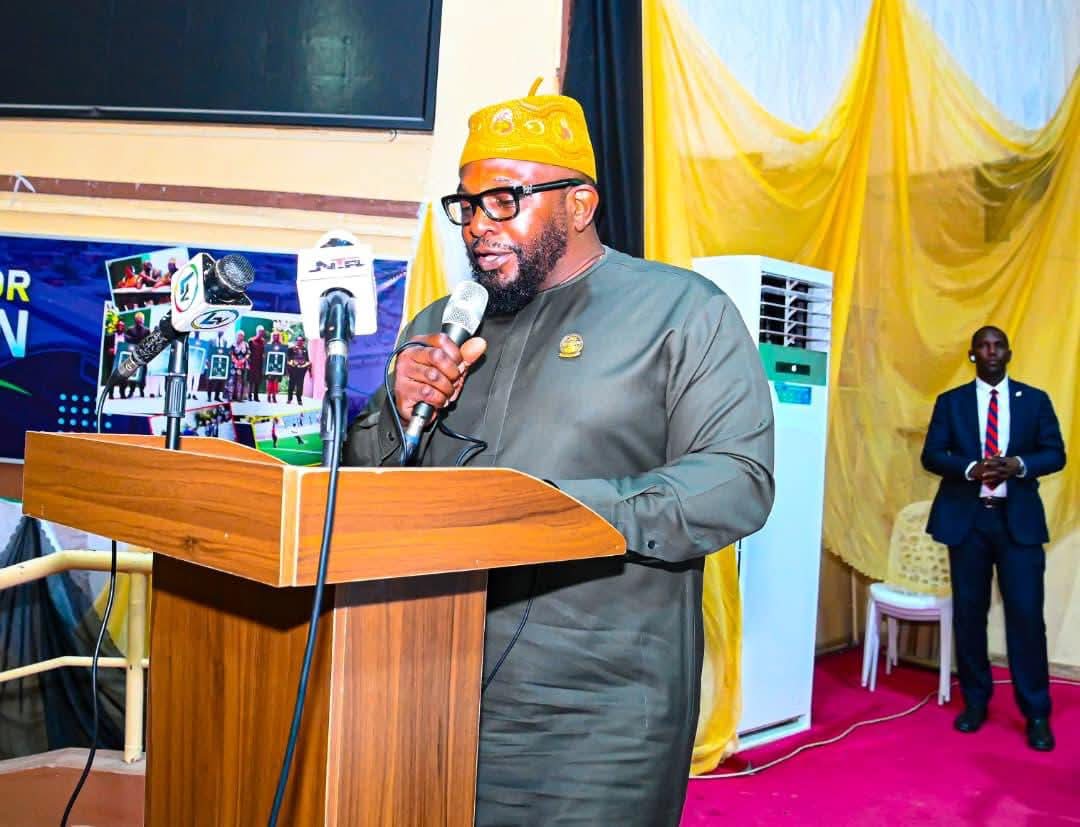
The Lagos State Government has urged 341 senior officers in the Unified Local Government Service to begin planning early for life after public service, warning them against waiting until retirement before preparing for the next chapter.
The state government gave the advice on Wednesday at a pre-retirement training organised by the Office of Local Government Establishments and Training (OLGE&T) at the Odi-Olowo/Ojuwoye Local Council Development Area Secretariat, Ilupeju.
The training, themed “Beyond Retirement: Preparing for a Healthy, Purposeful and Prosperous Chapter,” focused on helping the officers understand and prepare for the financial, health and personal changes that come with leaving active government service.
The Head of Service, Olabode Agoro, represented by the Permanent Secretary, Ministry of Physical Planning, Wasiu Olayinka, described the programme as a timely intervention, stressing that retirement should be approached as a process that requires adequate preparation rather than an event that begins on the final day of service.
“Retirement does not happen by chance; it requires early sensitisation and adequate preparation,” Agoro said.
He urged the officers to pay greater attention to their health as they prepare for retirement, advising them to maintain healthy habits, undergo regular medical check-ups and make time for activities that would support their physical, mental and emotional wellbeing.
Agoro said the goal should not simply be to leave government employment but to enter a new phase of life with purpose and fulfilment.
“The objective is not merely to retire from work, but to retire into a life that is healthy, meaningful and worthwhile,” he said.
The Permanent Secretary, OLGE&T, Toyin Ogunlana, reminded the officers that their years in public service had equipped them with valuable knowledge, skills and experience that could remain useful long after their formal careers ended.
She encouraged them to consider retirement as an opportunity to pursue interests and plans that may have been deferred during their years of demanding public service. These, she said, could include entrepreneurship, acquiring new skills, investments, mentoring younger people and contributing to their communities.
“Retirement may bring an end to active public service, but it does not have to bring an end to productivity, relevance or purpose,” Ogunlana said.
She also urged the officers to start making concrete plans before their final days in service, stressing that adequate preparation could make the transition easier and more fulfilling.
“Do not wait until your last day in service before you begin thinking about your next chapter. The best retirement is one that is planned for while you are still in active service,” she said.
Ogunlana added that the officers had spent many years serving the government and their communities and should now deliberately prepare for a phase in which they could invest more time and resources in themselves, their families, interests and future.
Retired officers who participated in the programme also shared their experiences, advising the participants to approach retirement as a new phase of active living rather than as withdrawal from society.
They encouraged the officers to remain physically active, avoid sedentary lifestyles and maintain regular exercise as they adjust to life outside formal employment.
