


Amid rising military tensions between the United States and Iran, the U.S. government has warned its citizens in Nigeria and worldwide to exercise increased caution over potential security risks and travel disruptions.
In a security alert issued on Monday, the U.S. Department of State advised Americans abroad, particularly in volatile regions, to stay vigilant and monitor updates from the nearest U.S. embassy or consulate.
The advisory comes against the backdrop of escalating hostilities in the Middle East after coordinated military operations involving the United States and Israel targeted key Iranian leadership and strategic assets.
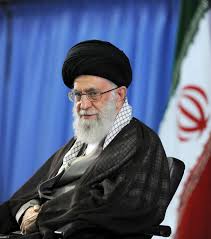
Iranian state media confirmed the death of Supreme Leader Ayatollah Ali Khamenei in the strikes, a development that has significantly intensified tensions and prompted a wave of retaliatory attacks.
“The Department of State advises citizens worldwide to exercise increased caution,” the alert said, noting that periodic airspace closures and travel disruptions may occur due to ongoing military operations and related security measures.
U.S. authorities also encouraged citizens to enrol in the Smart Traveler Enrollment Program (STEP) to receive real-time updates and to follow the official U.S. Department of State Security Updates for US Citizens on WhatsApp for timely guidance.
The updated advisory specifically raised travel warnings for countries such as Bahrain and Qatar to Level 3 (“Reconsider Travel”), citing threats from armed conflict and heightened risk of missile and drone attacks in the Gulf region.
While no direct threat to Nigeria has been indicated, U.S. officials highlighted the interconnected nature of global security concerns and the potential for ripple effects from military escalations in other regions.
The Nigeria government has also been active in responding to the crisis. Abuja has called for restraint and diplomatic resolution to prevent wider regional instability, while local authorities have tightened security and urged citizens to remain calm and observant of official safety directives.
Meanwhile, travel and commercial flight operations have seen disruptions globally, including cancellations and delays of flights to and from the Middle East due to airspace closures arising from the ongoing conflict.
As tensions continue to unfold, both governments and travellers are being urged to stay informed and prepare for possible developments that could affect security and mobility for citizens abroad.
