


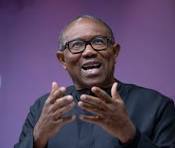
Former presidential candidate Peter Obi has described the arrest, detention, and conviction of Indigenous People of Biafra (IPOB) leader, Nnamdi Kanu, as illegal, faulting the Federal Government’s handling of the long-running case.
In a statement issued on Saturday, Obi said Kanu’s ordeal reflected “a failure of leadership” and a misreading of deeper national issues that require political, not coercive, solutions.
“I have always maintained that Mazi Kanu should never have been arrested. His arrest, detention, and now conviction represent a failure of leadership and a misunderstanding of the issues at stake,” he wrote.
Obi urged Nigerians to remain calm following the court judgement, warning that the conviction could heighten tensions at a time the country is struggling with economic hardship, insecurity, and waning public trust in governance.
The former Anambra State governor reiterated his long-standing advocacy for dialogue, inclusive governance, and constructive engagement as pathways to enduring peace.
“Coercion becomes necessary only when reason has been exhausted,” he noted. “In this case, I submit that reason was not only not exhausted, but was probably not explored at all, or not fully explored.”
Obi called on the government to consider a more nuanced and conciliatory approach, citing global examples where political settlements, negotiated compromises, and even amnesty were deployed to safeguard national stability.
He likened the government’s approach to “a man trapped in a hole who, instead of seeking a way out, keeps digging deeper,” warning that such actions worsen both the government’s predicament and Nigeria’s collective condition.
Obi urged the Presidency, the Council of State, and respected national figures to intervene and pursue a lasting, peaceful resolution to the matter.
“If we truly desire a new Nigeria, a united, peaceful, and progressive one, our leaders must choose healing over hostility, reconciliation over retaliation, and dialogue over division,” he said.
He concluded by calling for optimism among Nigerians, expressing hope that peace and reconciliation would eventually prevail despite differing public reactions to the court’s decision.
