


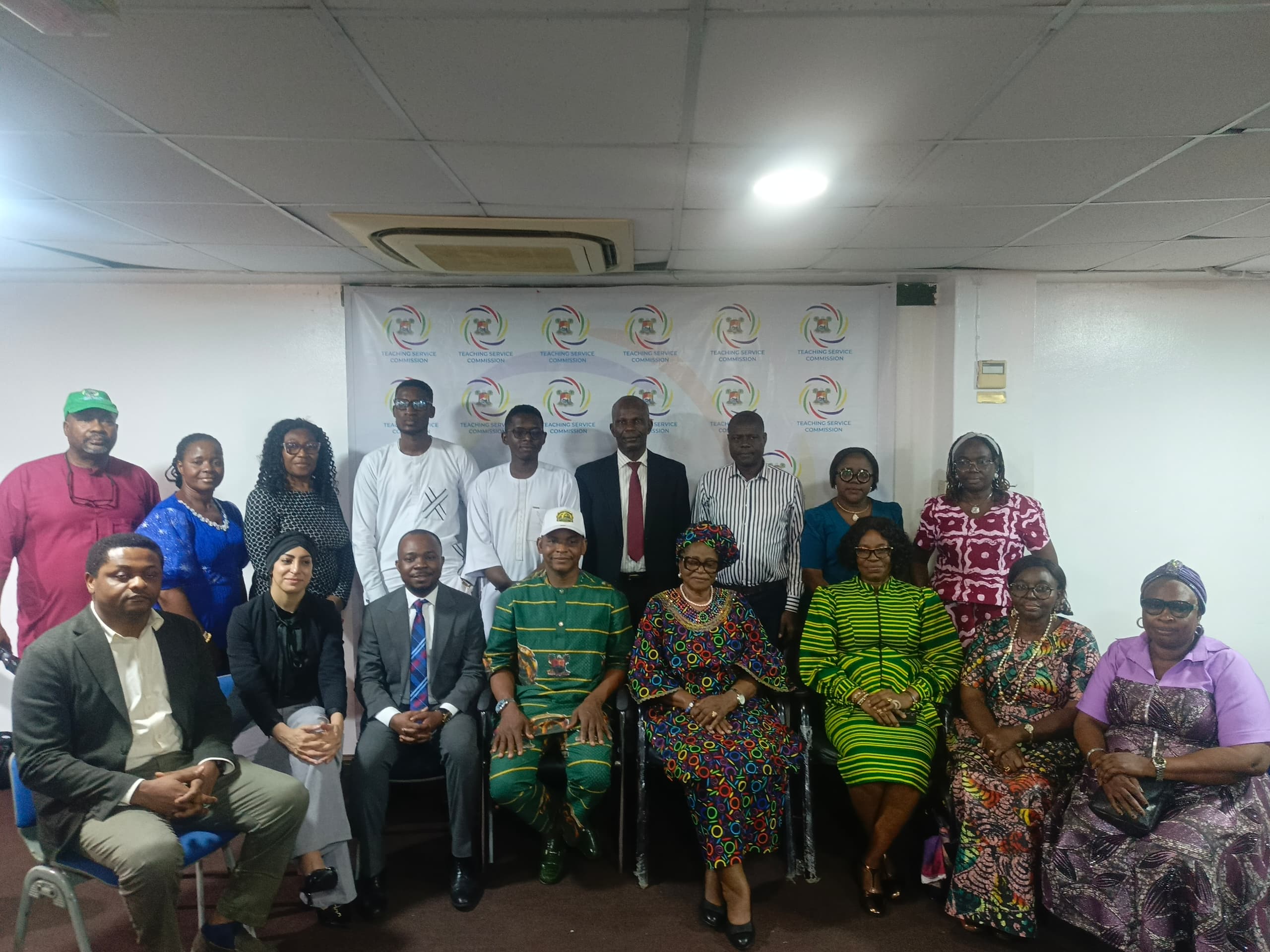
In a bid to modernise classroom teaching, the Lagos State Government has launched a capacity-building workshop on digital pedagogy and artificial intelligence for teachers.
The three-day training programme, organised by the Lagos State Teaching Service Commission (TESCOM), is targeted at selected secondary school teachers across the six education districts and the Lagos State Technical and Vocational Education Board (LASTVEB).
Declaring the workshop open at the Lagos Chamber of Commerce and Industry (LCCI), the Commissioner for Basic and Secondary Education, Mr Tolani Ali-Balogun, described the initiative as timely, noting that the education sector must keep pace with rapid technological advancements.
“This training on digital pedagogy and artificial intelligence is long overdue, especially at a time when education is evolving rapidly in response to global technological trends,” he said.
Ali-Balogun urged participants to embrace innovation and integrate emerging tools into their teaching methods to remain relevant and effective.
“Teachers must continuously update their skills, infuse digital tools, artificial intelligence and problem-solving techniques into their methodology, and stay abreast of evolving teaching practices if they are to succeed in today’s dynamic environment,” he added.
He noted that the initiative aligns with the Babajide Sanwo-Olu administration’s THEMES+ agenda, particularly its focus on Education and Technology.
“This programme is in line with Mr Governor’s vision of building a robust, technology-driven education system that promotes creativity, productivity and global competitiveness,” the Commissioner stated.
In her welcome address, the Chairman of TESCOM, Mrs Victoria Peregrino, emphasised that digital pedagogy goes beyond the use of devices, describing it as a shift in mindset toward more engaging and student-centred learning.
“This workshop is not just about digital tools; it is about transforming the way we teach – from teacher-centred instruction to learner-centred engagement where students actively participate in their learning journey,” she said.
Peregrino added that the training is designed to stimulate creativity among teachers and encourage the adoption of innovative teaching strategies.
“We want our teachers to explore new ideas and approaches that will enhance learning outcomes and drive the objectives of the Education and Technology pillar of the THEMES+ agenda,” she noted.
She also stressed the importance of ethical considerations in the use of technology, including data privacy and responsible AI adoption.
“While embracing these innovations, teachers must remain mindful of ethical standards, ensuring that technology is used responsibly and in ways that protect learners,” she cautioned.
In a statement by the Head of Public Affairs, TESCOM, Olusegun Olaoye, Peregrino while charging participants to maximize the opportunity, encouraged them to extend the knowledge gained to others.
“You are agents of change. Let the knowledge you acquire here cascade to your colleagues and create a ripple effect across classrooms, schools and communities,” she said.
She further clarified that artificial intelligence is intended to complement – not replace – the role of teachers.
“AI is not a substitute for teachers; it is a support system designed to enhance your effectiveness. Your role as educators remains central and irreplaceable,” she added.
The workshop, themed “Digital Pedagogy and Artificial Intelligence (AI) for Teachers on GLs 15–17,” commenced on April 8 and is expected to conclude on April 10, 2026, with a communiqué.
Top of Form
Bottom of Form
