


“There’s no art to find the mind’s construction in the face,” William Shakespeare wrote in Macbeth. Many decades later, the words remain a sobering reminder of how difficult it can be to read a person’s true intentions.
Behind an ordinary face may lurk a mind capable of the most disturbing acts. But while appearances can deceive, crime often leaves a trail, and the law can eventually catch up with those who believe they are beyond its reach.
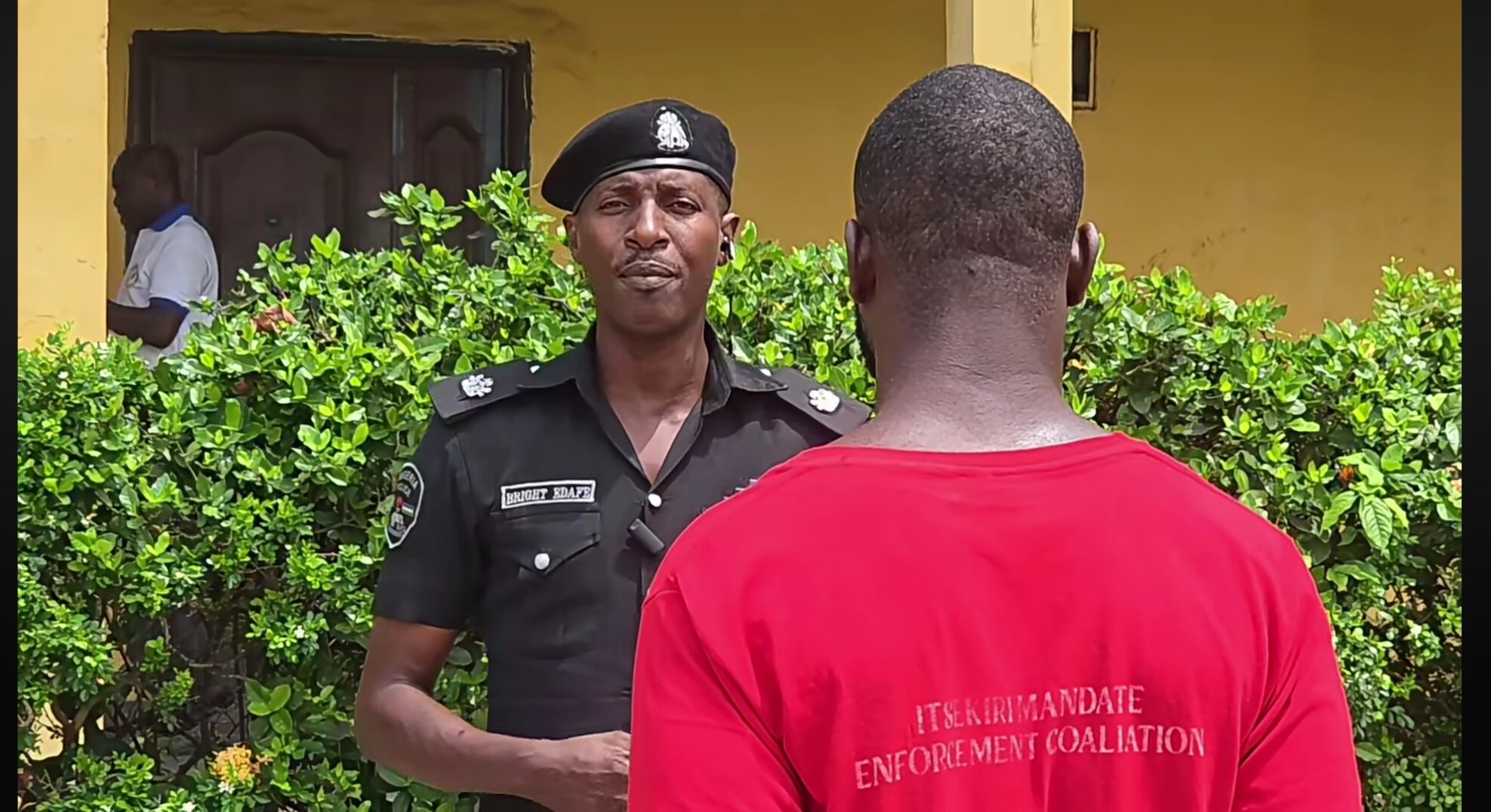
Delta State Police Public Relations Officer, SP Bright Edafe, on Monday paraded a 28-year-old suspect, Onome Lucky, who allegedly kidnapped a 14-year-old girl less than a month after being employed as a school bus driver.
According to the police account, the suspect “violently defiled” the girl, collected ₦503,000 in ransom from her parents and released her. The case is disturbing not only because of the alleged crime but also because the suspect had been entrusted with the responsibility of transporting schoolchildren.
Perhaps Lucky believed he could escape justice. But crime has a way of exposing the very people who think they have covered their tracks.
According to the account, he fled and hid in a brothel in Sapele, reportedly known as Ashawo Quarters, where he allegedly moved from prostitute to the other before he was eventually apprehended less than two days later.
His arrest offers a familiar lesson: no matter how carefully a crime is planned, the belief that one can evade accountability is often a dangerous illusion.
For parents, schools and employers, the case also raises difficult questions about trust and recruitment. Finding reliable drivers, domestic workers and other staff has become a serious concern, making thorough background checks, reference verification and proper screening essential.
No screening process can guarantee that a person will never commit a crime, but neglecting these precautions can expose children and other vulnerable people to avoidable risks. Schools, in particular, must establish clear child-protection policies, supervise transport arrangements and ensure that concerns about staff conduct are taken seriously.
As Edafe advised, schools must strengthen child-protection measures, thoroughly vet drivers and other staff, and make children’s safety a priority. Ultimately, a school bus driver is entrusted with far more than the task of getting children from one place to another: parents are entrusting the school with their most precious responsibility.
Shakespeare reminds us that a face cannot reveal the mind within; therefore, safeguarding children must depend not on appearances or blind trust, but on vigilance, accountability and systems designed to protect them.
Femi Moliki writes from Lagos
