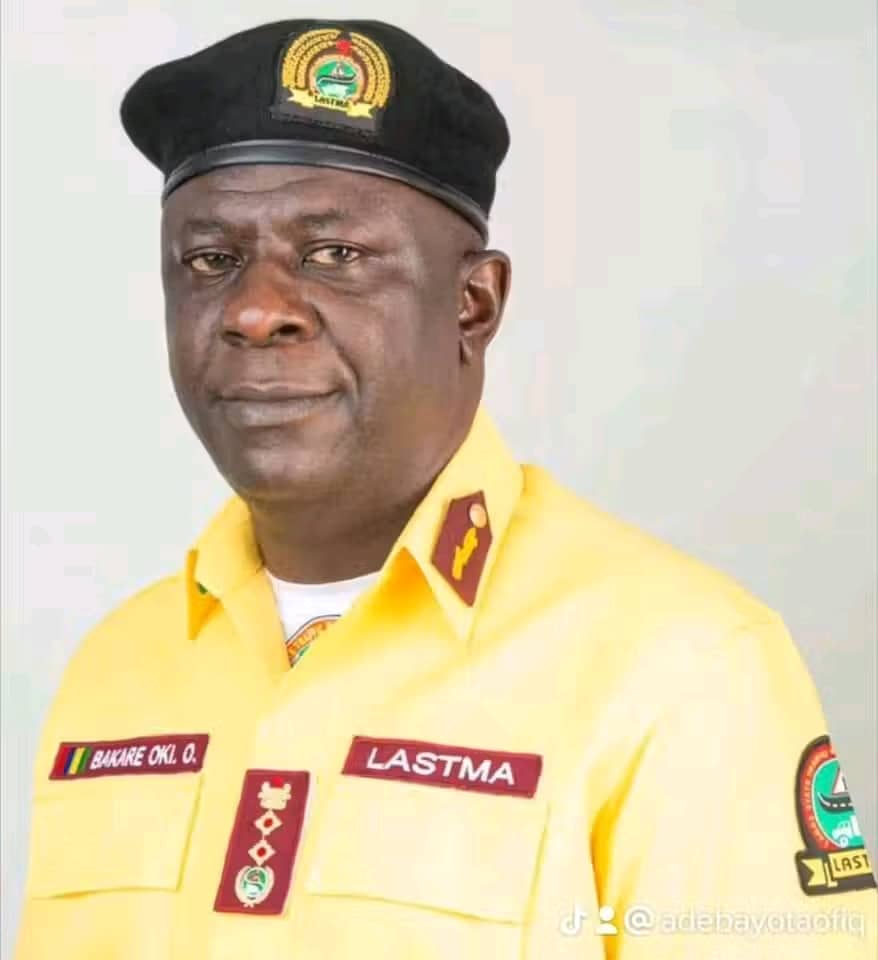
The Lagos State Traffic Management Authority (LASTMA) has called for stronger strategic collaboration with the media, while cautioning against the publication of unverified and defamatory reports capable of undermining public confidence in government institutions.
The Authority made this known following the outcome of an investigative panel set up to examine allegations published by an online platform accusing its operatives of extorting the sum of ₦100,000 from commercial bus operators on Lagos Coastal Road.
Unveiling the outcome of the report, the General Manager of LASTMA, Mr. Olalekan Bakare-Oki, reiterated the agency’s commitment to transparency, professionalism and accountability, stressing that the findings of the panel clearly exonerated its personnel from any wrongdoing.
“The investigative panel conducted a painstaking and objective review of the allegations, and its findings unequivocally established that the vehicles in question were apprehended for wilful obstruction in clear violation of existing traffic regulations,” he stated.
He further disclosed that all penalties imposed were lawfully processed and remitted into government coffers, with verifiable evidence of payment presented by the affected drivers.
“There is incontrovertible proof that all payments were duly made through official channels. At no point was any operative found culpable of extortion. These facts decisively debunk the allegations as entirely unfounded and misleading,” he added.
While reaffirming the authority’s respect for the role of the media, Bakare-Oki described the press as a critical partner in promoting public enlightenment, traffic discipline and civic responsibility.
“The media remains an indispensable institution in shaping public perception and strengthening democratic ideals. We value this partnership and will continue to engage constructively with media stakeholders,” he said.
He, however, stressed that such responsibility must be exercised with professionalism and strict adherence to ethical standards.
“While constructive criticism is welcome and indeed necessary in a democratic society, the dissemination of unverified claims and sensational narratives poses a serious threat to institutional credibility and public trust,” he warned.
Bakare-Oki therefore urged media organisations to prioritise fact-checking and due diligence before publication, noting that accuracy remains the cornerstone of responsible journalism.
“We strongly enjoin media practitioners to verify information through appropriate channels before going to press. Responsible reporting is essential to preserving the integrity of public communication and preventing the spread of misinformation,” he said.
Reaffirming LASTMA’s commitment to openness, the General Manager assured that the Authority remains accessible for clarifications and verification through its official communication platforms.
“LASTMA operates an open-door policy. We are readily available to provide clarifications and ensure that accurate information is disseminated to the public at all times,” he noted.
He also highlighted the availability of a toll-free hotline and a dedicated Physical Complaints Unit (PCU) for members of the public to report incidents, seek clarification or lodge complaints.
“We encourage members of the public and the media alike to take advantage of our complaint and feedback channels. This will not only promote transparency but also enhance mutual trust and accountability,” he added.
The Authority, therefore, called on media stakeholders to uphold the sanctity of the journalism profession by ensuring accuracy, balance and responsibility in reportage, warning that safeguarding public trust must remain a collective priority.
“All hands must be on deck to protect the integrity of our public institutions. The media has a duty to inform, not to misinform. Together, we can build a more transparent, responsible and trust-driven society,” Bakare-Oki concluded.
LASTMA Calls for Responsible Journalism, Debunks Extortion Allegations