


The United States and Iran have announced a framework agreement aimed at ending months of conflict across the Middle East, paving the way for the reopening of the strategic Strait of Hormuz and raising hopes of a broader diplomatic settlement in the region.
The breakthrough, according to AFP reports, which is expected to be formally signed in Switzerland on Friday, was confirmed by officials in Washington, Tehran and Islamabad, the latter having played a key mediating role in the negotiations.
The agreement provides for an immediate halt to military operations on all fronts, including Lebanon, and the eventual reopening of the Strait of Hormuz, a vital global shipping route through which a significant share of the world’s oil supplies passes.
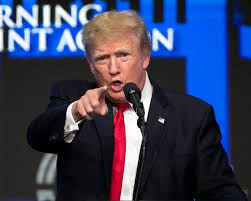
US President Donald Trump announced the development on social media, declaring that the agreement with Tehran had been completed and signalling the restoration of maritime traffic through the waterway.
“The Deal with the Islamic Republic of Iran is now complete,” Trump said, adding that the Strait of Hormuz would reopen and the US naval blockade imposed during the conflict would be lifted.
Iranian Deputy Foreign Minister Kazem Gharibabadi also confirmed the agreement, describing it as an immediate end to the conflict and revealing that both sides would begin further negotiations within two months aimed at securing a comprehensive settlement.
Pakistan’s Prime Minister Shehbaz Sharif, whose government helped broker the talks, said both countries had agreed to a “permanent termination of military operations on all fronts, including Lebanon,” while thanking regional partners such as Qatar, Saudi Arabia and Turkey for supporting the mediation effort.
Despite the breakthrough, key aspects of the agreement remain unclear, particularly regarding Iran’s nuclear programme, which remains the most contentious issue between Washington and Tehran.
While the ceasefire framework creates a 60-day window for negotiations on sanctions relief and nuclear-related concerns, neither side has publicly disclosed the final terms governing uranium enrichment, nuclear inspections or Tehran’s stockpile of highly enriched uranium.
President Trump indicated that discussions on Iran’s enrichment activities were continuing, suggesting that Washington was still seeking limits on Tehran’s nuclear capabilities as part of a future agreement.
The announcement triggered a wave of international reactions, with world leaders expressing optimism that the accord could mark a turning point in one of the region’s most dangerous confrontations.
United Nations Secretary-General Antonio Guterres described the agreement as a critical step towards restoring stability in the Middle East, while major European powers signalled their readiness to support efforts aimed at achieving a lasting diplomatic resolution.
Financial markets also responded positively. Oil prices fell sharply amid expectations that the reopening of the Strait of Hormuz would ease supply concerns, while stock markets across Asia and other regions posted significant gains.
Analysts, however, cautioned that the durability of the agreement will depend on the successful implementation of the ceasefire and progress in the forthcoming negotiations on Iran’s nuclear programme, which remains unresolved despite the latest diplomatic breakthrough.
