


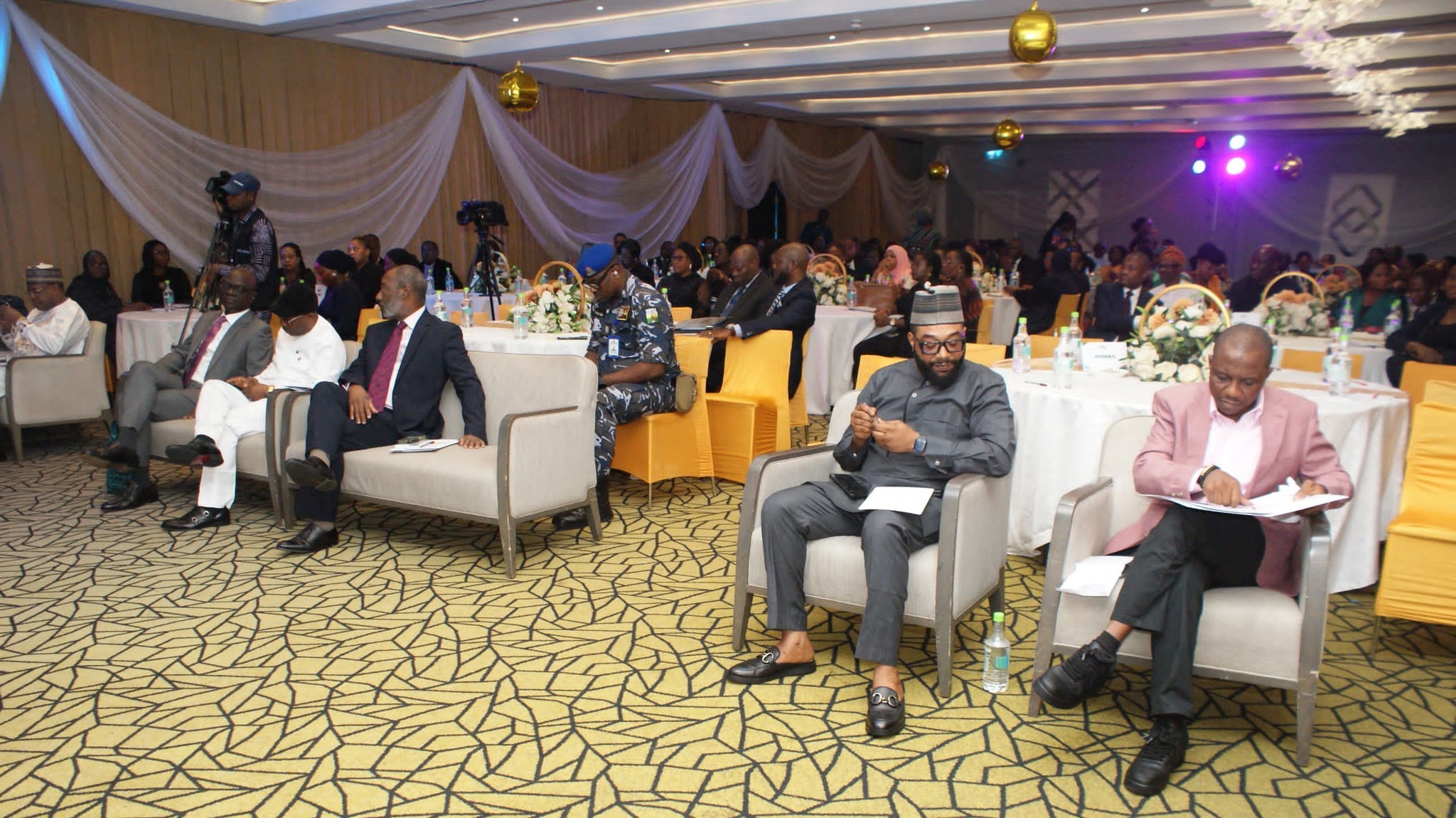
In a strategic push to strengthen fiscal governance and judicial efficiency, the Lagos State Government on Friday convened a high-level Revenue Recovery Summit with the theme: “Speedy Dispensation of Revenue Cases in Court.”
The summit, held at Radisson Blu Hotel, Ikeja, brought together key stakeholders from the judiciary, tax authorities, and the legal community.The initiative, spearheaded by the Lagos State Ministry of Justice, underscored the urgent need to fast-track revenue-related cases and enhance financial sustainability across critical public sectors.
Delivering the keynote address, the Attorney General and Commissioner for Justice, Mr. Lawal Pedro, SAN, described revenue as the lifeblood of governance, noting that delays in adjudicating revenue cases have significant ripple effects on public service delivery.
“When government revenue is trapped in prolonged litigation, the cost is borne by the people — in healthcare, education, security, sanitation, and infrastructure,” Pedro stated.
“The government’s position is clear: all revenue matters must be heard and determined speedily. Delay in revenue cases is a delay in governance,” he added.
Pedro highlighted the state’s strategic interventions, including the establishment of a Revenue Recovery Unit and the designation of the Commercial Courts Complex in Tapa, Lagos as a specialised court for revenue matters.
He also pointed to the Tax Administration Act 2025 and the Lagos State High Court (Civil Procedure) Rules 2019 as legal frameworks empowering the state to pursue outstanding revenues efficiently.
Representing the Chief Judge of Lagos State, Hon. Justice Kazeem Alogba, Hon. Justice Hakeem Oshodi reaffirmed the judiciary’s readiness to support timely resolution of revenue disputes.“Justice delayed is indeed revenue denied.
The judiciary remains committed to assigning specialised judges and adopting technology to streamline adjudication,” Justice Oshodi said, assuring continuous synergy with relevant revenue agencies.
In his opening remarks, Solicitor General and Permanent Secretary of the Ministry of Justice, Mr. Hameed Oyenuga, described the summit as more than a policy dialogue — but a collective call to action.“Revenue generation and recovery form the backbone of effective governance.
When revenue cases are delayed, essential services to the people are weakened,” he warned.Also speaking, the Chairman of the Lagos State Internal Revenue Service (LIRS), Mr. Ayodele Subair, represented by Mr. Seyi Alade, Director of Legal Services, lamented the bottlenecks in the judicial process.
“The slow pace of adjudicating tax disputes remains a major challenge to efficient revenue administration,” Alade noted.
“Justice delayed in revenue matters is not just justice denied — it is development deferred,” he asserted.
Alade commended the Ministry of Justice for its leadership and outlined recent LIRS reforms such as the e-Tax platform, enhanced enforcement protocols, and adoption of advanced tax intelligence systems.
He advocated for a more responsive judicial system with specialist training for revenue judges, defined litigation timelines, and the formation of a Revenue Justice Working Group.
Other notable contributors included Hon. Justice Jumoke Pedro, Hon. Justice Yhaqub Oshoala, Hon. Femi Saheed, (Chairman, House Committee on Finance), Mrs. Aderinsola Olanrewaju (Permanent Secretary, Citizens Mediation Centre), Mr. Ade Ipaye, OFR, (Former AG/CJ and Deputy Chief of Staff to the President), and several magistrates, legal practitioners, and directors from the Ministry of Justice.
The summit concluded with a consensus that collaborative reforms, judicial commitment, and administrative innovation are essential to achieving a fast, fair, and accountable revenue justice system in Lagos State.
