- Vows to Build Safer, Resilient Infrastructure for Future Generations
- The Lagos State Government had reiterated its commitment to protecting the state’s coastline, building a safer and environmentally friendly as well as more sustainable city.
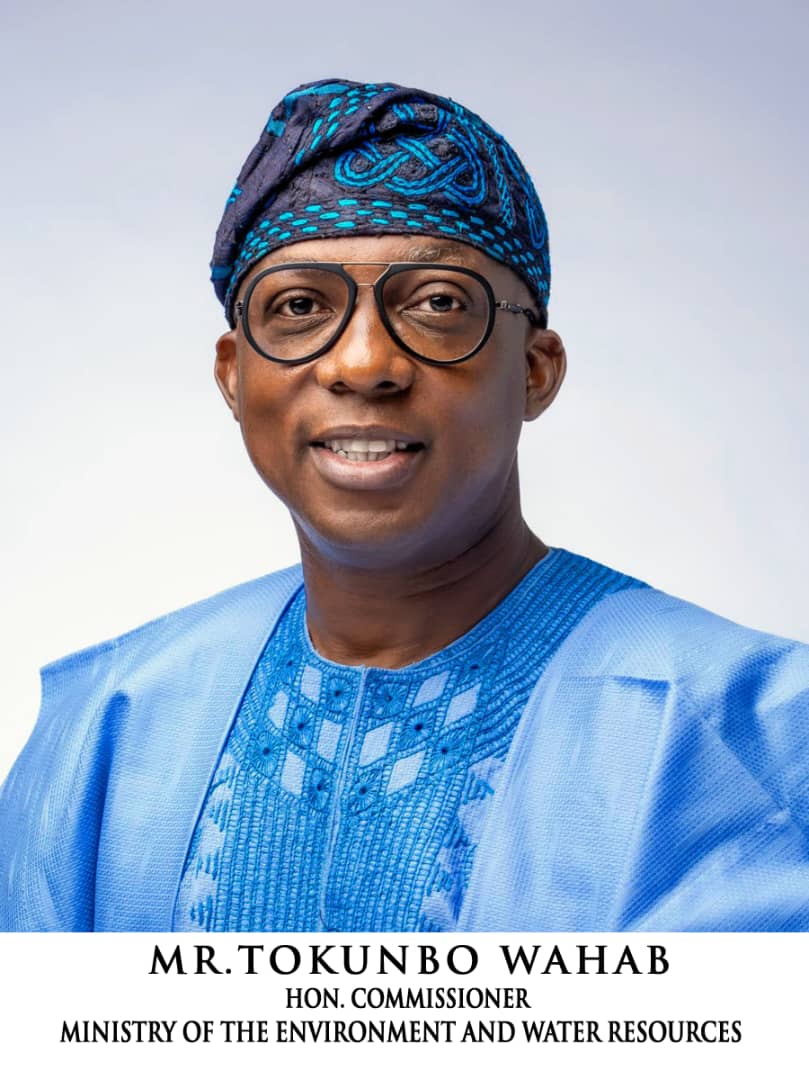
- The commissioner for Environment and Water Resources, Tokunbo Wahab disclosed this while representing the state at the ongoing United Nations Ocean conference in Nice, France.
- According to him, Lagos, as a coastal state, faces severe climate risks such as rising sea levels, extreme rainfalls and excessive heat, but the state is not sitting back and watching.In his words:
- “Lagos as a coastal state, faces severe climate risks from rising sea levels, extreme rainfall and excessive heat. But we are not sitting back. We are building resilient infrastructure.
- “So as a state, we must face our realities and those realities are that we must build resilient infrastructure which is key and we must also take ownership of those infrastructures which is very key”.
- He added that the state has, in the past two years, invested in its drainage systems through an all-year-round clearing of all primary and secondary drains to reduce the possibilities of flash flooding.
- “At the last count, in the past two years, we have, as an administration, done about 76 kilometres of trapezoidal drainage system statewide.
- ”Wahab informed that with over 13,000 tonnes of daily waste generation, Lagos is moving from a linear disposal system of “you pick and dump” to a circular model where waste becomes a resource for energy and recovery.
- He stated that the state is also transforming how it manages plastic waste by religiously following a trajectory that has already banned the use of styrofoam food containers and moving on to enforce the ban on single-use plastics from July 1, after an 18-month moratorium on users and producers.
- “In the last two years, we have chosen to categorise waste as a resource, so we have transitioned from a pick and dump system to a more sustainable, climate-friendly system where waste is now a resource for wealth, a resource for energy. Where waste is not just seen as a waste anymore,” Wahab stressed.
LAGOS REITERATES COMMITMENT TO PROTECTING ITS COASTLINE