


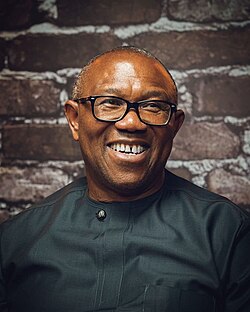
A presidential aspirant on the platform of the African Democratic Congress, Peter Obi, has raised fresh concerns over Nigeria’s fiscal management, warning that entrenched corruption is placing significant strain on the country’s economy.
In a statement shared via his X account, the former Anambra State governor cited recent findings by the World Bank indicating that although the nation generated about ₦84 trillion in revenue over a three-year period, roughly 41 per cent — amounting to ₦34.44 trillion — was not remitted to the Federation Account.
Obi described the figure as alarming, noting that the unaccounted funds exceed the combined ₦34 trillion budgeted for capital expenditure in the 2024 and 2025 Appropriation Acts.
“This is not a mere oversight; it points to institutionalised corruption on a massive scale,” he stated, warning that such leakages undermine public trust and national development.
Drawing a historical comparison, Obi referenced the fallout from the Okigbo Panel report, which uncovered $12.4 billion in unaccounted oil revenues.
“In 1994, Nigerians reacted with widespread outrage. Today, an even more troubling situation appears to be unfolding, yet it is being met with disturbing silence,” he said.
He further argued that the country faces a paradox where increasing revenues have not translated into meaningful investments in critical sectors such as healthcare, education, and infrastructure.
According to him, recent fiscal arrangements have enabled some agencies to retain significant portions of revenue, in some cases exceeding the allocations to certain states and key ministries.
“These leakages help explain why countries with fewer resources continue to outperform Nigeria across major development indices,” Obi added.
He questioned the nation’s ability to address longstanding challenges in the power sector, education, and healthcare under the current system, stressing the need for urgent corrective measures.
Obi called for reforms aimed at strengthening transparency, accountability, and prudent management of public resources.
“Nigeria has no business being poor. We must block these leakages through disciplined and transparent leadership anchored on integrity,” he said.
“With a collective commitment to dismantling this corruption-ridden system, a new Nigeria is possible,” he added.
