


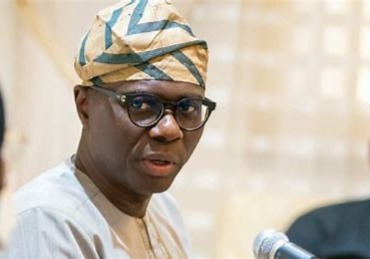
Lagos State Governor, Mr. Babajide Olusola Sanwo-Olu, has reaffirmed his administration’s commitment to transforming the education sector through the provision of world-class infrastructure, teachers’ development, and initiatives that foster inclusive and innovative learning environments.
The Governor, represented by his deputy, Dr. Kadri Obafemi Hamzat, gave this assurance at the 27th Quarterly Meeting of the Universal Basic Education Commission (UBEC) Management with Executive Chairmen of State Universal Basic Education Boards (SUBEBs), themed “Bridging the Gap between Planning and Performance towards Achieving Quality Basic Education,” held at Watercress Hotel, Ikeja.
Highlighting the strides Lagos has made under the THEMES Plus Agenda, Sanwo-Olu noted that the state has recently commissioned ultra-modern classroom blocks, integrated vocational training centres, and digital literacy initiatives aimed at preparing students for global competitiveness.
“Here in Lagos, we have prioritised building world-class educational infrastructure. Advancing education means equipping teachers through professional development programmes and fostering a learning environment where every child can thrive,” he said.The
Governor emphasized that education remains the cornerstone of socio-economic growth and national prosperity, adding that every investment in children’s education is a direct investment in Nigeria’s future.
He described the quarterly meeting as an opportunity to reaffirm the collective responsibility to bridge gaps in planning, performance, and delivery of quality education across the country.
Sanwo-Olu also acknowledged persistent challenges such as infrastructure deficits, out-of-school children, inadequate teacher capacity, and the need for more effective fund utilization.
He warned that failure to address these issues would deprive children of conducive learning environments and deny teachers the resources required to inspire the next generation.
He underscored the importance of transparency, accountability, and data-driven decision-making in education, noting that evidence-informed mechanisms would enable government to track progress, make strategic adjustments, and guarantee that resources invested yield measurable improvements in learning outcomes.
Meanwhile, UBEC Executive Secretary, Aisha Garba, in her remarks, urged state and local governments to collaborate more actively with stakeholders, parents, and communities in delivering inclusive education, with particular emphasis on music and foundational learning.
She stressed that consistency, inclusivity, and strengthened partnerships at all levels would ensure that “no child is left behind.”
