


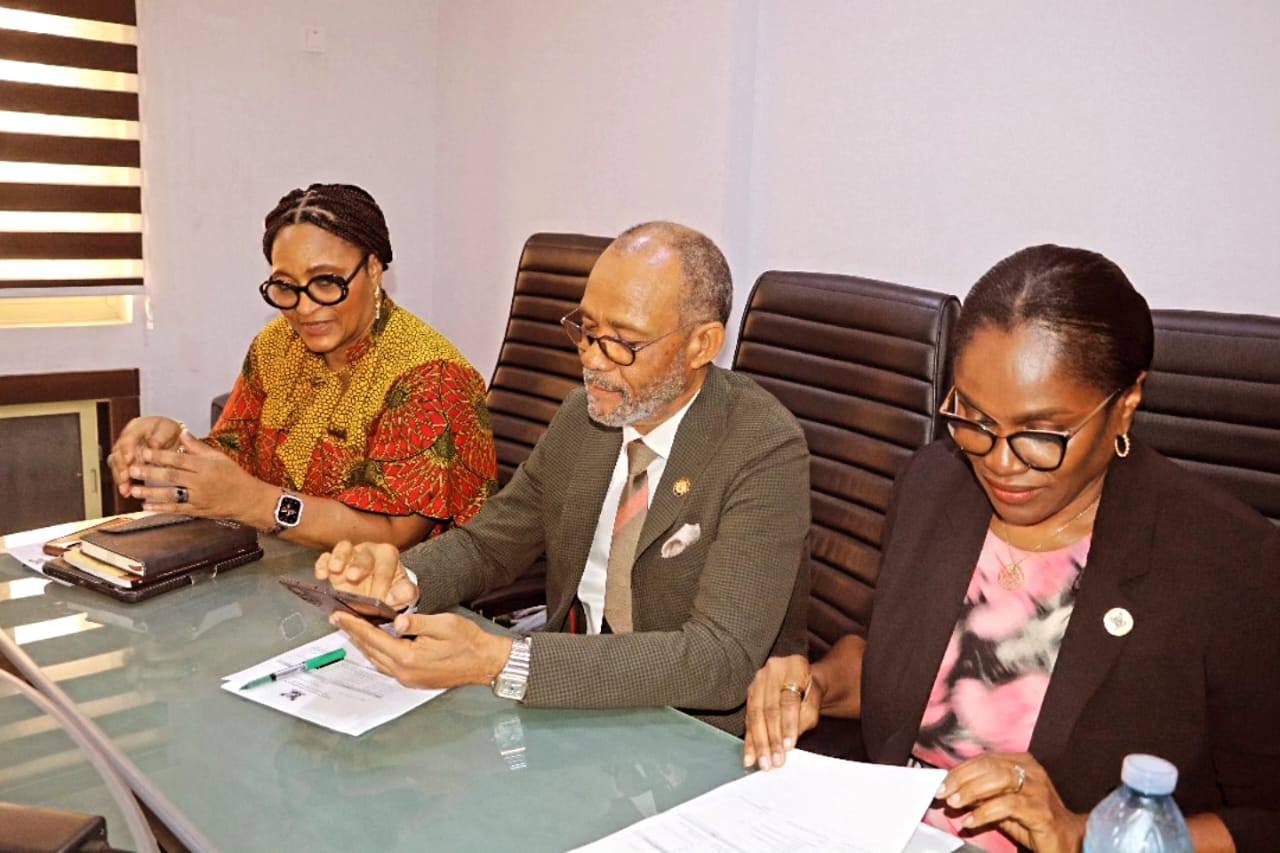
The Lagos State Government has introduced a Clinical Governance Framework designed to strengthen accountability, enhance quality assurance, and promote patient-centred care across all public health facilities in the state.
The initiative, unveiled at the Health Policy Group Meeting held on October 24, 2025, at the Ministry of Health Conference Room, Alausa, Ikeja, represents a major step in the state’s effort to institutionalise standards that guarantee safety and service excellence in healthcare delivery.
Delivering a presentation titled “Lagos State Ministry of Health Clinical Governance”, the Special Adviser to the Governor on Health, Dr. (Mrs.) Kemi Ogunyemi, said the framework would ensure a consistent, data-driven, and patient-focused approach to healthcare across Lagos.
According to her, the system is anchored on five critical pillars; patient safety, quality assurance, effective leadership, information management, and staff training and development, all aimed at fostering accountability and transparency in health service delivery.
“Clinical governance is about placing the patient at the centre of care,” Dr. Ogunyemi said. “It will only thrive under strong and clearly defined leadership structures that promote transparency, learning, and continuous improvement rather than blame.”
She explained that each health agency would be required to develop measurable standards, conduct periodic audits, and maintain a non-punitive incident reporting system to identify areas for improvement.
“This should be seen as a learning process, not a blame exercise,” she added. “Our goal is to create a culture of continuous improvement that empowers staff and strengthens patient trust.”
Emphasising that patient safety remains the top priority, Ogunyemi urged health institutions to foster safe environments for both patients and professionals while encouraging patients to play active roles in decisions regarding their care.
“Patients should be respected, well-informed, and involved in making decisions about their treatment,” she said.
On capacity building, she called for continuous staff training and professional development to ensure that health workers remain skilled, motivated, and aligned with global best practices.
Ogunyemi also highlighted the importance of effective information management, urging hospitals to leverage data analytics for informed decision-making, risk management, and quality monitoring.
While acknowledging challenges such as inadequate infrastructure, limited funding, and manpower shortages, the Special Adviser reaffirmed the state government’s commitment to sustained healthcare reforms.
“Together, we can establish a robust clinical governance system that improves the quality and safety of healthcare services in Lagos,” she said.
The presentation also underscored the complementary roles of regulatory and service agencies such as the Health Facility Monitoring and Accreditation Agency (HEFAMAA) and the Lagos State Health Management Agency (LASHMA), both of which are already implementing elements of the clinical governance model to expand access and ensure compliance across the health sector.
