


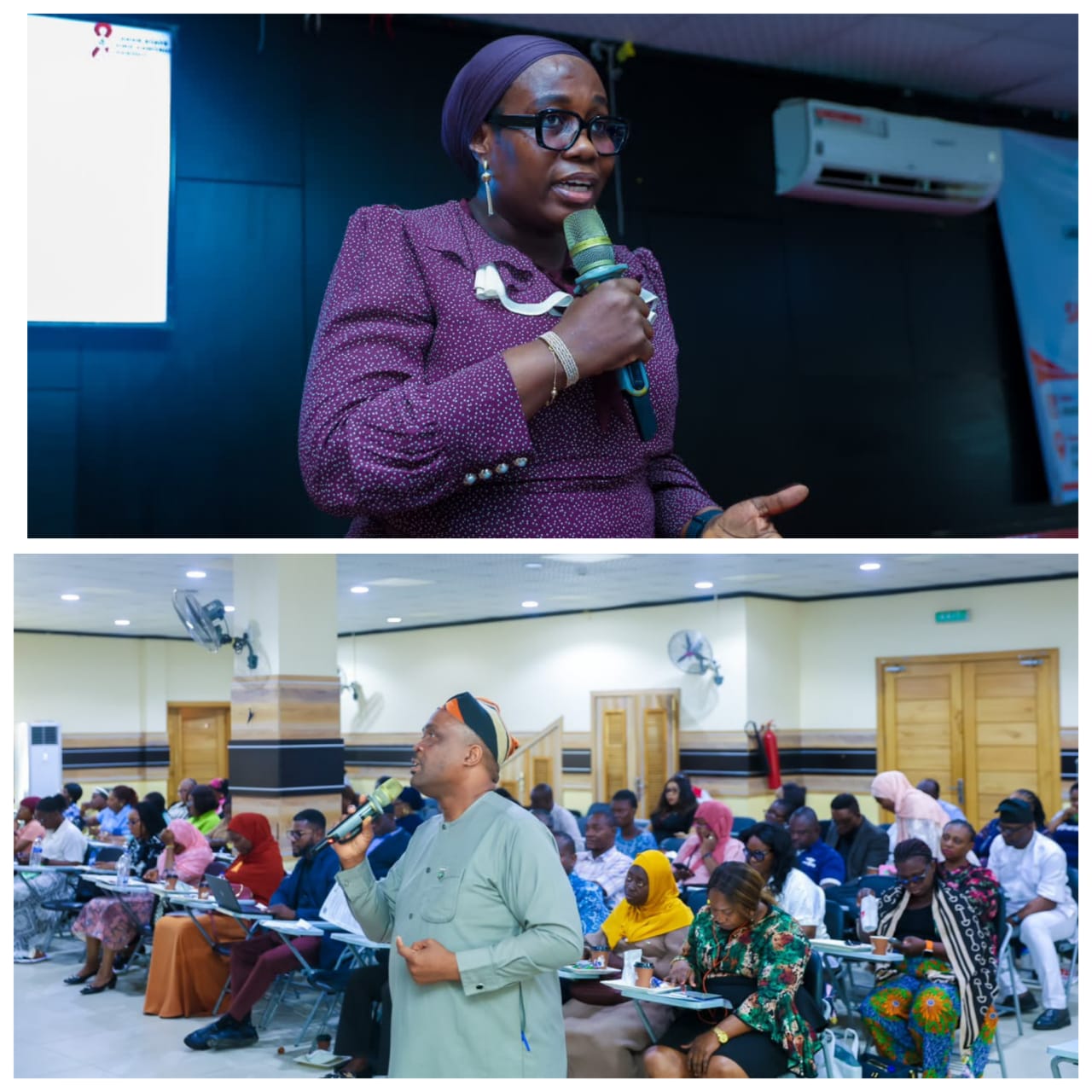
The Lagos State AIDS Control Agency () has charged the 57 Local Government Areas and Local Council Development Areas (LGAs/LCDAs) to take greater ownership of the state’s HIV response and reach underserved communities and other areas where residents may not routinely access health facilities.
The Chief Executive Officer of LSACA, Dr. Folakemi Animashaun, gave the charge at the SACA-LACA Coordination Meeting held on Wednesday, as the agency intensified preparations for statewide HIV screening and a more sustainable HIV programme.
Animashaun, in a statement by the agency’s Director of Public Affairs, Adekunbi Bakare, said effective HIV intervention must move beyond the state level and reach communities where people live, work and interact.
She said the planned statewide screening should not be measured by the number of people tested alone, but by the number of people reached, linked to treatment and retained in care.
According to Animashaun, stakeholders must deliberately reach underserved communities, markets, schools, workplaces, transport communities, faith-based settings and other locations where people may not routinely access health facilities.
“The journey does not end with the positive result. In many ways, that is where our responsibility becomes even more important,” Animashaun said, stressing the need for prompt linkage to treatment, adherence support and viral load monitoring.
The LSACA boss also called for stronger coordination between the agency and the LGAs/LCDAs, saying local authorities possess critical knowledge of their communities, health facilities and populations that may otherwise be missed by the state response.
She emphasised the importance of the Lagos State HIV Sustainability and Strategic Plan 2025–2027 and the proposed HIV Sustainability Roadmap 2027–2037, saying sustainability goes beyond funding.
Animashaun said sustainable HIV programming requires stronger institutions, improved data systems, effective supply and procurement mechanisms, integration of HIV services into the broader health system and greater government ownership.
She urged the LGAs and LCDAs to see themselves as “co-owners” rather than recipients of the state HIV programme, while calling for regular communication and early identification of challenges.
“The Lagos HIV response belongs to all of us,” she said, urging stakeholders to work together towards a future where new HIV infections are prevented, people living with HIV receive the care and dignity they deserve, and no one is left behind.
Facilitating the meeting, the Director of Projects, LSACA, Mr. Michael Essien, emphasised the need to translate the discussions into concrete actions at the local government level.
Essien said the effectiveness of the state HIV response depended significantly on how well programmes and policies were understood, coordinated and implemented within communities.
He encouraged representatives of the LGAs/LCDAs to share their experiences and identify specific challenges affecting HIV service delivery in their areas.
He also stressed the need for continuous communication between the agency and local authorities to ensure that gaps are identified promptly and appropriate technical support is provided.
Essien further urged stakeholders to properly coordinate preparations for the planned statewide HIV screening exercise and ensure that people reached through the exercise are connected to appropriate HIV prevention, treatment and care services.
