


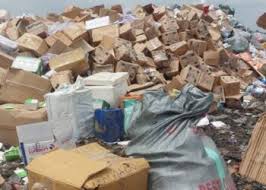
The National Agency for Food and Drug Administration and Control (NAFDAC) on Thursday destroyed more than 618 tonnes of fake, counterfeit, substandard and expired regulated products valued at ₦10.19 billion in Kano State.
The destruction exercise, which covered illicit medicines, food products, cosmetics, agrochemicals and medical devices, was carried out at the North-West zonal level as part of NAFDAC’s ongoing efforts to safeguard public health and eliminate dangerous products from circulation.
The exercise took place at the Kalibawa Destruction Site along Daura/Danbata Road in Kano.
Speaking at the event, the Director-General of NAFDAC, Prof. Mojisola Adeyeye, represented by the agency’s North-West Zonal Director, Mr Dadi Nantim Mullah, described the exercise as a major milestone in pharmaceutical and product regulation.
“This destruction represents not just enforcement, but a clear signal that the era of impunity for those who endanger Nigerian lives with fake and substandard products is coming to an end,” Adeyeye said.
She disclosed that the destroyed items included counterfeit antibiotics, anti-malarials and anti-hypertensive drugs; adulterated food products such as vegetable oil and sachet water; hazardous cosmetics; fake agrochemicals; and compromised medical devices.
Adeyeye warned manufacturers, importers and distributors involved in the production and distribution of fake products that NAFDAC’s surveillance and enforcement mechanisms had been significantly strengthened, stressing that offenders would face severe legal consequences.
The NAFDAC boss also highlighted Nigeria’s recent attainment of the World Health Organisation (WHO) Maturity Level 3 status and the country’s admission into the International Council for Harmonisation (ICH), describing both as key milestones that have enhanced confidence in Nigeria’s regulatory framework.
“Our target is WHO Maturity Level 4, and with sustained political will and regulatory discipline, this goal is achievable,” she added.
In his remarks, Mullah said the prevalence of unregistered, fake and counterfeit products nationwide had dropped significantly from about 46 per cent to below six per cent.
According to him, “The large volume of products destroyed today reflects increased enforcement activities and improved effectiveness, not a rise in the prevalence of fake products in the market.”
He explained that the seized items were recovered through direct enforcement operations, voluntary handovers by organisations and distributors, and collaborative efforts with security agencies.
NAFDAC commended the support of the Kano State Government, the Nigerian Customs Service, the Nigeria Police Force, professional bodies and trade associations, while calling for sustained collaboration to completely eliminate counterfeit and unwholesome products from Nigerian markets.
The agency also urged members of the public to remain vigilant, avoid purchasing medicines from unlicensed vendors and report suspicious products through NAFDAC’s official channels.
